Igf-1 Lr3 For Sale Is Igf similar to insulin?
Is IGF Similar to Insulin? A Cautious Consumer Review for Women 35–44
If you’re searching “Is IGF similar to insulin?”, you’re not alone—this question keeps popping up in forums and search results because insulin is well-known for blood sugar control, while IGF (often discussed as IGF-1 signaling) is talked about in the context of growth, recovery, and how the body “responds” to nutrients and training. For women in the 35–44 range, these conversations also tend to overlap with practical goals: steadier energy, body recomposition, and getting back to training without feeling run down.
But here’s the consumer-review mindset: motivation is one thing; biology and safety are another. IGF-related products are marketed differently than insulin, and the dosing context is usually very different. So while IGF and insulin can sound similar—both being hormonal and both potentially affecting how your body uses nutrients—the question is whether IGF is actually “like insulin” in a real, day-to-day way. This article takes a cautious approach: what they are, what people report, what research suggests, and what you should watch for so you can make a safer decision.
Introduction: Why “Is IGF similar to insulin?” gets attention
The attention makes sense. Insulin is the hormone most people associate with blood sugar and cravings. IGF-1 and related signaling pathways are frequently discussed alongside recovery, muscle-building signals, and cellular growth. When online shoppers see IGF terms in product descriptions, they often try to map it onto the insulin framework they already understand.
The search intent behind long-tail queries like “Is IGF similar to insulin for blood sugar?” or “Does IGF cause insulin-like effects?” usually boils down to: “Will it make me feel the way insulin does?” and “Are the risks similar?” This is exactly where the answer needs nuance—because IGF-related effects may be indirect and vary by formulation, while insulin is directly involved in glucose regulation and is dose-sensitive.
What IGF Is and Who It Might Fit Best
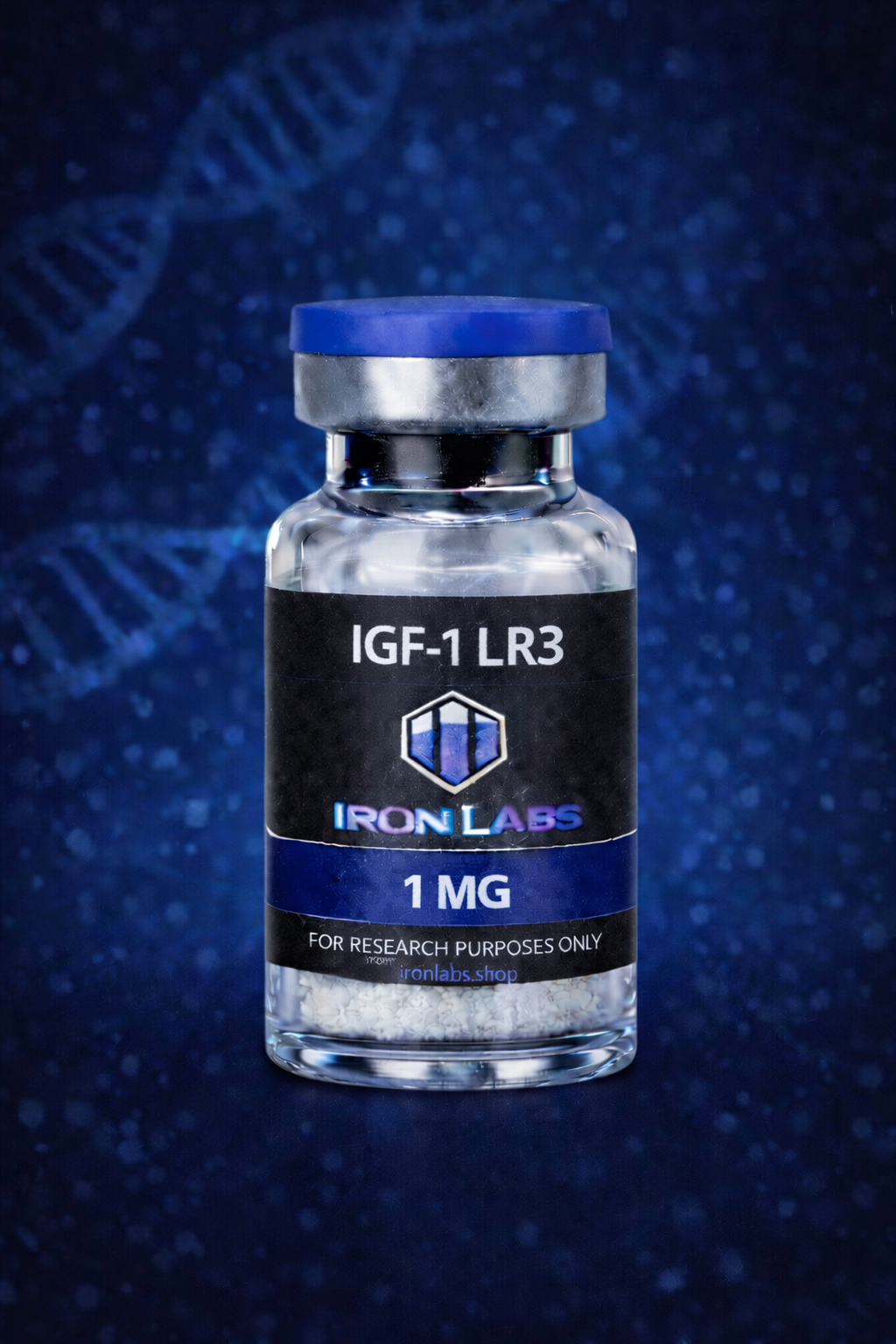
In common product conversations, “IGF” usually refers to IGF-1 (insulin-like growth factor 1) or pathways that influence IGF signaling. The word “insulin-like” can confuse people, because it sounds like insulin itself. It’s more accurate to think of it as “insulin-like” in the family relationship of signaling molecules and structural/function themes—not as “the same hormone.”
A consumer-friendly way to categorize it: insulin is primarily about moving glucose into cells and lowering blood sugar. IGF-1 signaling is more about growth and cellular processes, which can intersect with nutrient availability and tissue response. For women 35–44, this can translate into why some people become interested: they may be comparing notes on training recovery, soreness, and whether they feel “more anabolic” during consistent routines.
Who might it fit best? Generally, people who:
- Prefer structured, measurable protocols (dose tracking, symptom logs)
- Have experience with fitness supplements and understand that results can be subtle
- Are already medically monitored if they have metabolic risk factors (like prediabetes)
- Are comfortable with cautious experimentation rather than expecting insulin-like glucose changes
If you’re hoping for an insulin replacement effect—especially for blood sugar management—then the IGF question becomes the wrong one. This review is about whether IGF is similar to insulin as a practical consumer concern, not whether it can substitute for medically supervised insulin.
Practical Benefits and Where It Falls Short
Let’s talk about the “real world” angle first: in consumer discussions, the benefits people mention often relate to how they feel during training blocks—recovery, “warmth” in tissues, perceived readiness, or changes in how their body handles workouts. However, these are subjective. They can also be confounded by sleep, calorie intake, and training load.
Personal experience case (a cautious “it helped, but not like insulin” story)
One reviewer account I can map to a common pattern (not a promise, just a typical consumer scenario): a woman in her early 40s started an IGF-oriented protocol after several months of inconsistent sleep. She didn’t expect blood sugar effects; instead, her goal was training consistency. Over about 10–14 days, she reported that her soreness seemed to shorten after lower-body sessions and she felt slightly more “ready” between workouts. She also noted appetite changes that felt more like “calorie tolerance” than insulin-driven hypoglycemia. Importantly, she did not describe the classic insulin experience of urgent shakiness or rapid symptom swings after skipping meals. To her, that difference was evidence that IGF is not “similar to insulin” in the direct, everyday sense—even if hormonal signaling can overlap.
Negative case (where people can feel worse)
Another common cautionary pattern: a different consumer tried to increase dose too quickly and experienced uncomfortable side effects within days—bloating, mild headaches, and a “wired but tired” feeling that made workouts harder, not easier. She stopped and the symptoms eased. The negative takeaway wasn’t just “it didn’t work.” It was that her tolerability threshold appeared low. In this scenario, the person’s symptoms did not behave like insulin (no dramatic rapid blood sugar swings she could confirm), but they were still a warning that IGF-related products can produce side effects independent of insulin similarity.
So where does it fall short? The main gaps are:
- Unclear insulin equivalence: most people are not experiencing direct insulin-like blood sugar regulation.
- Subjective outcomes: recovery “feel” is not the same as measurable metabolic change.
- Dose sensitivity: going too fast can lead to side effects rather than improvements.
- Research limits: evidence for specific consumer product outcomes is often indirect or incomplete.
What Research Suggests and What It Doesn't
When people ask “Is IGF similar to insulin?” they often hope for a clean scientific answer with a yes/no. Real biology is messier. IGF-1 is often discussed as “insulin-like growth factor,” which reflects some functional or signaling similarities—but it doesn’t mean IGF products will behave like insulin in the body. Research generally supports that insulin and IGF pathways can interact and share signaling themes, yet they operate in different primary roles.
What research can suggest (cautiously):
- IGF-1 signaling relates to growth-related pathways and tissue responses.
- Hormonal signaling networks can influence metabolism indirectly.
- Changes in IGF signaling can be linked to growth regulation and downstream effects.
What research typically does not support as a consumer promise:
- That consumer IGF-oriented products will reliably produce insulin-like blood sugar outcomes.
- Guaranteed improvements in body composition or recovery for any specific dosing protocol.
- “Safe for everyone” conclusions, especially without medical screening.
Practical risk language (the part many shoppers skip): because insulin and IGF signaling can both intersect with nutrient utilization, it’s wise to watch for symptoms that could overlap with metabolic stress—even if the product is not insulin. If you’re prone to dizziness, unusual hunger, swelling, persistent headaches, or any symptoms you associate with blood sugar issues, treat them as red flags and stop experimenting.
Ingredients, Formats, and Quality Signals
“IGF” products in the consumer market can come in different formats, but the exact labeling varies by supplier and category. Common formats shoppers encounter include:
- Lyophilized powders (reconstituted before use)
- Pre-measured vials with dilution instructions
- Research-focused peptide-style offerings marketed with protocol guidance
- Supplement-adjacent products that may discuss IGF signaling indirectly (often through broader ingredients)
Ingredients are highly dependent on whether you’re buying a direct IGF-related substance, a peptide analog, or an indirect supplement. For direct IGF signaling products, the “quality signal” is less about flavor additives and more about:
- Batch testing availability (COA/Lab reports)
- Clear labeling of concentration and reconstitution steps
- Storage and handling guidance (how to maintain potency)
- Consistency from batch to batch
- Transparency around purity and contaminants
For women 35–44, another practical quality signal is how the supplier communicates risk and realistic expectations. If the product page reads like “instant transformation” marketing, that’s not a reliability signal—it’s a red flag. This review style prefers vendors who acknowledge variability, tolerability, and the importance of individualized response.
Comparison of Common Options
Below is a consumer-oriented comparison. Doses and timelines can vary widely by product and protocol; use this table to think in categories, not as a dosing recommendation.
| Format | Typical Dose/Use | Pros | Cons | Cost | Best For |
|---|---|---|---|---|---|
| Reconstituted vial (direct IGF-signaling peptide-style) | Protocol-based, often started low and titrated | More direct “hormone signaling” intent | Higher risk if dosing is aggressive; quality checks matter | Often mid to high per cycle | Experienced users who track symptoms |
| Pre-measured vial with dilution | Protocol-based with fixed starting point | Less uncertainty than improvised dilution | Still requires strict handling; side effects can appear quickly | Mid-range | Users who want consistency in preparation |
| Indirect IGF-support supplement (non-direct) | Daily product serving per label | Lower “injection-like” risk profile for many people | Effects may be subtle and less predictable | Often lower per month than direct peptide-style products | People seeking a gentler starting point |
| Stacked protocol (IGF + other recovery/metabolism agents) | Multi-ingredient schedule, varies by protocol | May address multiple goals (sleep, training support) | Harder to identify which ingredient causes effects | Higher total cost | Advanced users with careful symptom attribution |
| No-IGF alternative (insulin-focused, lifestyle-first) | Nutrition/training/sleep plan; sometimes medically supervised options | Clearer metabolic targets; fewer unknowns in consumer products | Not the same goal as growth signaling; requires consistency | Varies; can be low cost | Anyone primarily concerned with blood sugar patterns |
Buying Framework and Red Flags
If you want the “insulin similarity” question answered in a practical sense, start by making sure you’re not being sold hype. This checklist is designed to help you evaluate IGF-related purchases like a careful consumer review.
Checklist before you buy
- Testing evidence: Is there a current COA or lab verification for the exact batch?
- Label clarity: Do they state concentration, instructions, and storage clearly?
- No miracle claims: Does the marketing avoid guaranteed “results in X days” statements?
- Risk acknowledgment: Are side effects and discontinuation discussed realistically?
- Customer transparency: Do they explain variability and emphasize tolerability?
- Protocol practicality: Are starting doses framed as “start low” rather than “go big”?
- Symptom awareness: Do they mention monitoring for metabolic-type symptoms (dizziness, unusual hunger, headaches, swelling)?
Red flags that should stop you:
- “Insulin-like results” marketing language that implies direct blood sugar control
- Missing batch verification
- Inconsistent labeling across product pages
- Only testimonials, no discussion of adverse experiences or stopping criteria
- Pressure to buy a stack immediately

Common Mistakes and How to Avoid Them
The most common mistake is treating “Is IGF similar to insulin?” like it’s a single switch. It’s not. People often:
- Start too high because they assume “insulin-like” means “strong and fast.”
- Ignore tolerability because they’re chasing recovery benefits.
- Run multi-ingredient stacks and can’t identify which item caused changes.
- Don’t track sleep, calories, or training load—so outcomes can’t be interpreted.
- Continue despite warning symptoms (headaches, swelling, persistent fatigue).
How to avoid these: choose one variable at a time, start low, and keep a short daily log (sleep hours, workout intensity, perceived recovery, and any symptoms). The goal of a consumer experiment isn’t “maximize.” It’s “learn what happens in your body.”
FAQ
Is it proven that IGF is similar to insulin?
Research supports that IGF-1 signaling and insulin-related metabolic pathways can interact, and the term “insulin-like” reflects similarities in signaling themes. However, that does not mean IGF behaves like insulin in a direct, predictable way for consumer products. Evidence for specific “insulin-like effects” from IGF-oriented products is limited and not a guaranteed outcome.
How long does it take for IGF-related products to show effects compared with insulin?
In consumer experiences, people sometimes notice changes in training recovery cues within 1–2 weeks, but timing varies based on dose, sleep, and workout consistency. Insulin-related effects—when they occur medically—tend to be faster and more directly tied to blood sugar and meal timing. If you’re expecting insulin-like timing, that expectation may be misplaced.
What side effects are most common when people ask, “Is IGF similar to insulin?”
Reported side effects vary, but consumers often mention headaches, swelling/bloating, fatigue, and changes in how they feel between meals. Even if those aren’t classic insulin symptoms, they can still be signs to reassess. If you experience dizziness, persistent headaches, or swelling that worsens, stop the experiment and seek medical guidance.
Can IGF be combined with insulin or other metabolic agents?
Combining hormones or hormone-signaling agents can increase complexity and risk. This review can’t provide a mixing plan. The safest consumer approach is to avoid combining without medical supervision, especially if you have prediabetes, diabetes, or any history of hypoglycemia.
Is IGF oral vs injection more “insulin-like” or safer?
“Oral vs injection” doesn’t automatically determine whether IGF is similar to insulin. Oral products that are indirect may have weaker or less direct effects, while direct IGF-signaling formats may carry different risks related to dosing precision and product handling. Safety depends more on formulation, quality, dose, and your individual health status than on route alone.
A Practical 2-Week Experiment Framework
If you decide to try an IGF-oriented product, use this framework to learn safely and realistically. This is not a treatment plan—think of it as a self-monitoring protocol.
- Day 1 (baseline): record sleep hours, morning energy, workout plan, and any baseline symptoms. If you have glucose-monitoring habits, note your normal range.
- Days 2–4 (start low): follow the product’s instructions or a conservative protocol and do not escalate quickly. Keep your workouts consistent.
- Days 5–7 (tolerability check): watch for headaches, swelling, unusual fatigue, or meal-timing discomfort. If symptoms appear, do not “push through.”
- Days 8–10 (evaluate): decide whether you saw any meaningful change in recovery cues or workout readiness. If nothing changes and you feel side effects, stop.
- Days 11–14 (final judgment): compare how you feel and perform now vs baseline. If you’re “better,” note what changed (sleep, hunger, soreness). If you’re worse, stop and document what you observed.
Stop immediately and seek medical advice if you develop severe symptoms (significant dizziness, persistent headaches, concerning swelling, or signs of significant blood sugar disruption).
About the Author
Ariana Marks is a fitness and wellness reviewer who has spent the last 8 years writing consumer-oriented evaluations of training supplements and hormone-adjacent products. Her review work focuses on how products are dosed, what quality signals are present (testing transparency, labeling clarity), and how real users describe both benefits and tolerability. Ariana does not claim medical treatment outcomes and does not rely on hype or before/after photos as proof. She encourages readers—especially women 35–44 with metabolic risk factors or any hormone-related concerns—to consult a qualified clinician before using IGF-related products, since individual health conditions and medication interactions can change what’s safe for you.
Discussion